Home › Fruit & Vegetables
Fruit & Vegetables
There is no greater satisfaction than growing your own fruits and vegetables. Whether it’s a sun-ripened tomato, a freshly plucked potato, crisp leafy greens for a salad, or your own watermelon, homegrown produce simply tastes better. Involving the whole family in this nurturing process is not only fun, but also fosters a deeper appreciation for the origins of their food.
Types of Fruit & Vegetables
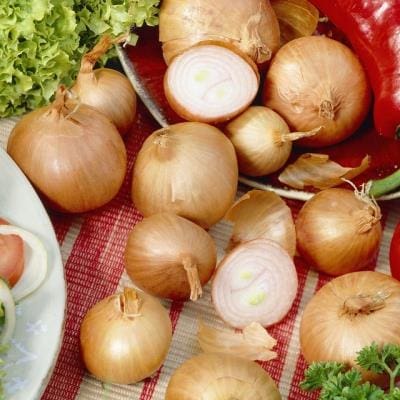
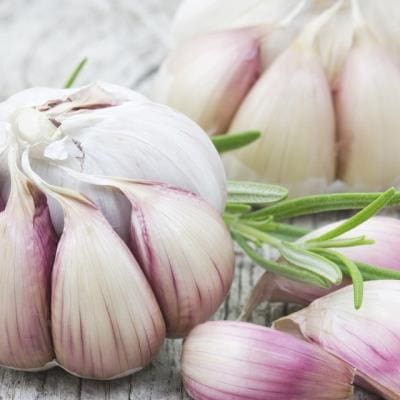
Garlic, Onions and Shallots
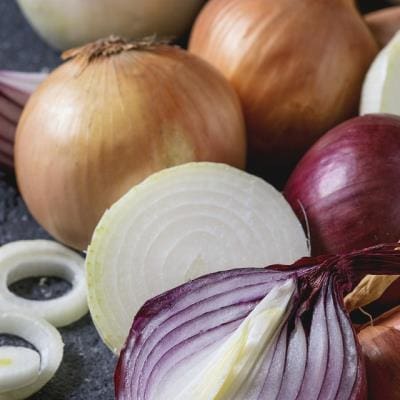
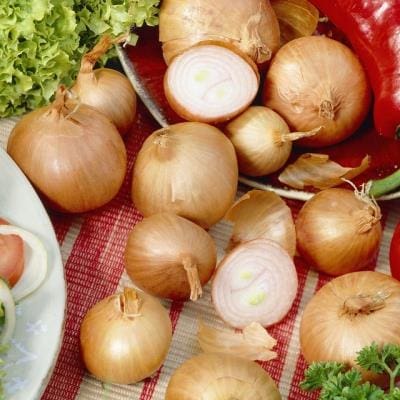
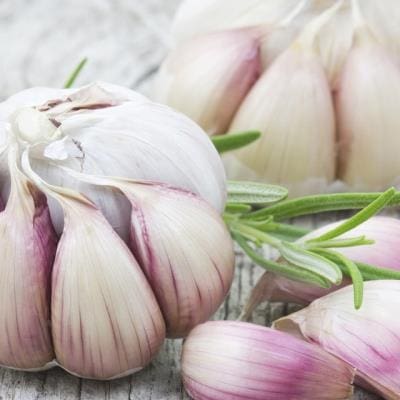
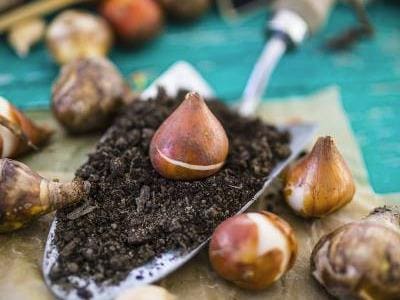
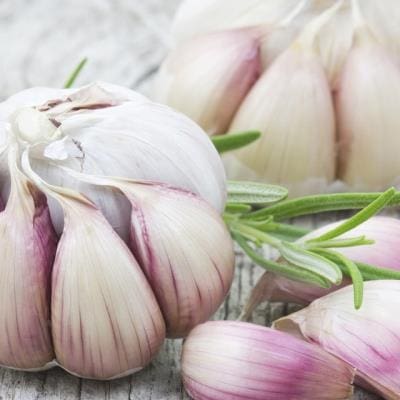
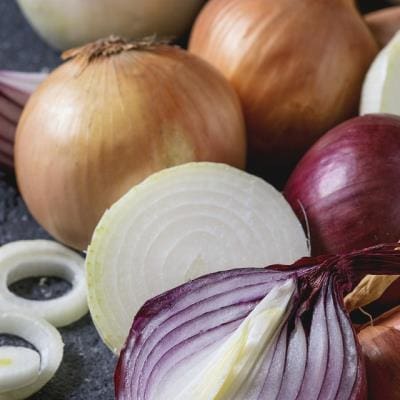
The onion belongs to the family of the garlic and shallot. These bulbs can be grown in almost any soil as long as it is well-drained and fertile. Growing garlic is also a way to prevent insect infestations in the garden.
Perennial Fruit and Vegetables
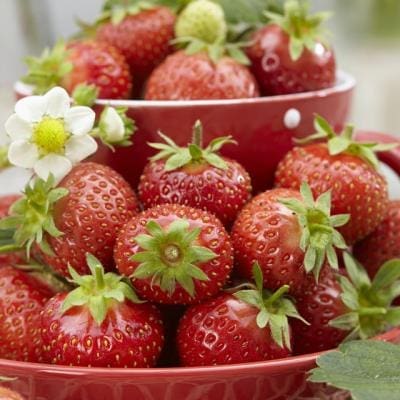
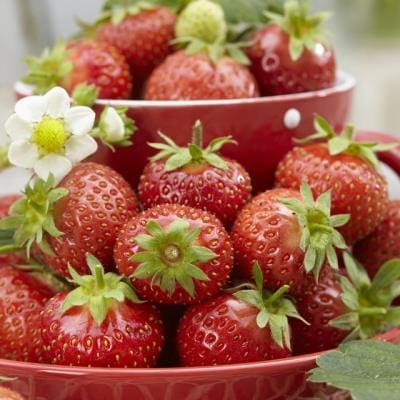
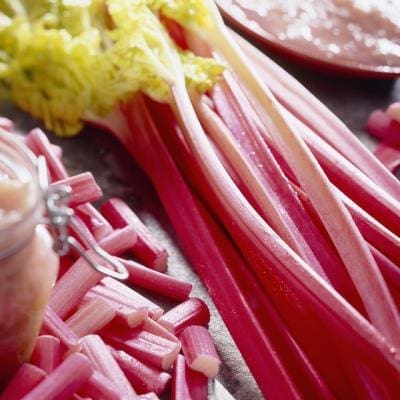
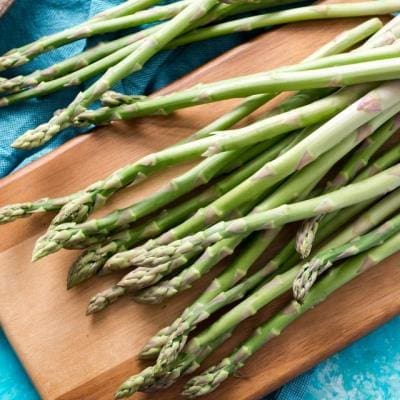
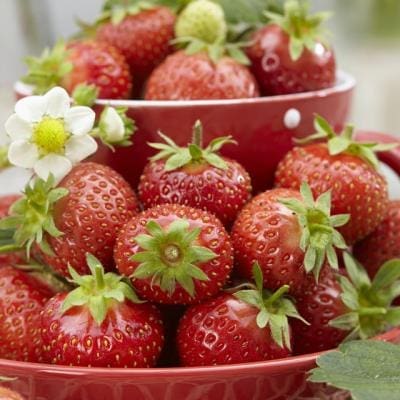
Perennial fruit and vegetables, like Strawberries, Rhubarb, or Asparagus, are nature’s gift to gardeners and sustainable food enthusiasts. These plants, once established, often produce earlier than annuals and return year after year, yielding bountiful harvests with minimal effort.
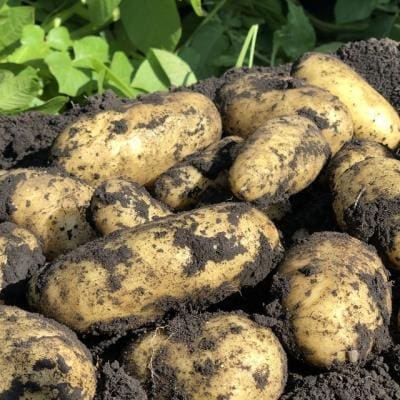
Potatoes
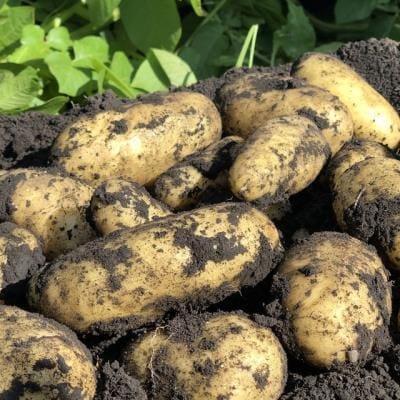
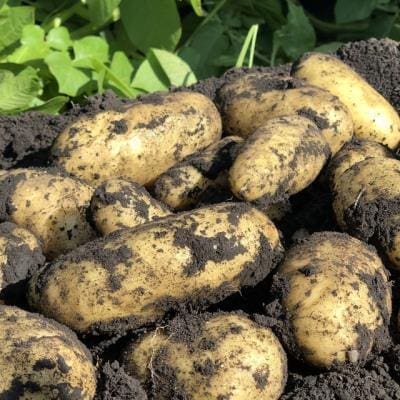
You can start planting your seed potatoes 2 weeks after the last spring frost. Potatoes will not grow in hard or compact soil. Young or early potatoes should be ready about 10 weeks after planting, when the flowers appear.
Asparagus and Rhubarb
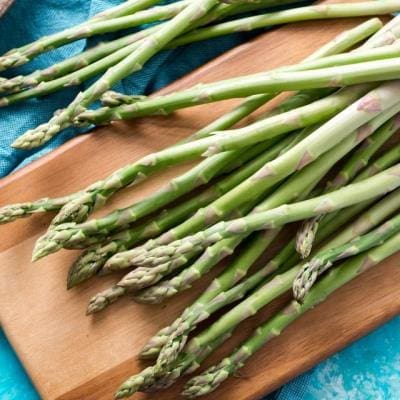
These plants do not appreciate being moved so it is important to ensure they are planted in good, fertile soil. Wait until the second year to start harvesting. Although the first year’s harvest will be small, the yield will improve year by year.
Common Questions
Garlic bulbs are ready to be harvested when you can feel the individual cloves in the bulb, and the leaves turn yellow or brown.
Dry the plants for 2 to 3 weeks in a shaded area with good air circulation. Then store the bulbs in a cool 5 degrees C (40 F), dark and dry place, and check them regularly over winter. Promptly use any that show signs of sprouting.
When flowers appear, cut them. Otherwise the plant will divert energy from building up the bulb.
Wait until the second year to start harvesting, then harvest for 6 to 8 weeks. To keep the plant strong, do not pick any more stems after July.
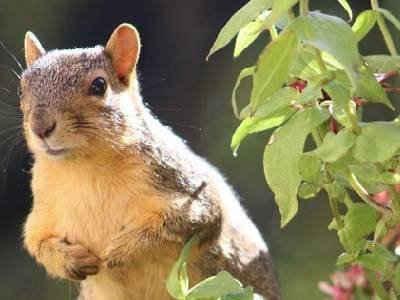
Place a net over the plants to prevent birds and squirrels from eating the fruit.
Learn Something New
It’s more than just flowers, it’s an experience. With over 3M tulips bursting in vivid colour over 55 acres, come build core memories with us.
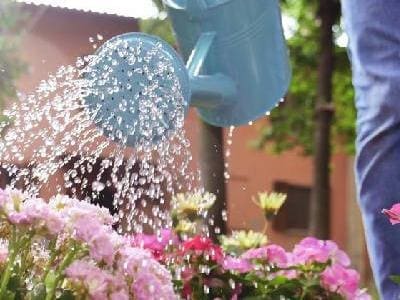
Water is vital for plants but also pivotal in their success. Though no universal rule exists, here are proven strategies to guide your watering.
Planning to grow a flower garden or grow your own food? Protect your garden from rodents, deer and bird damage with some reliable, proven strategies.