
Closed for the Season

Thank You for a Beautiful Season See You in 2027

49 guides  •  Bulbs, perennials, fruit & veg  •  Free to use

TASC Gardens • Grow & Learn

How to Plant Almost Anything

Planting, growing, care and winterizing for 49 bulbs, perennials and crops. The same guidance we use across 55 acres in Niagara-on-the-Lake.

49 guides  •  Bulbs, perennials, fruit & veg  •  Free to use

Plant in Fall for Spring Flowers

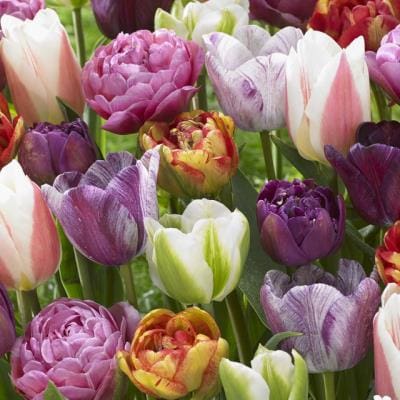
Into the ground in autumn, rest through the cold, first to flower in spring. Every tulip we plant belongs to this group.

12 guides

Plant in fall

Plant in fall
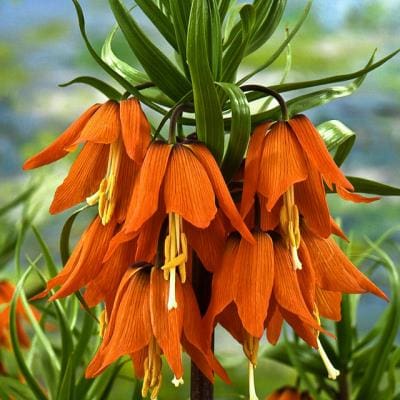
Plant in fall

Plant in fall
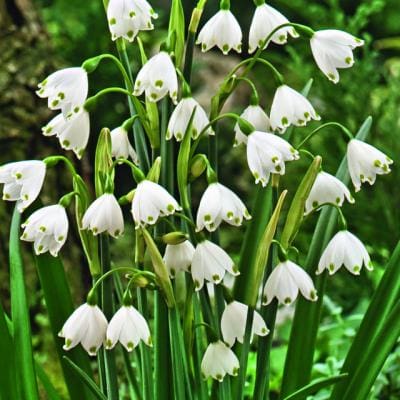
Plant in fall
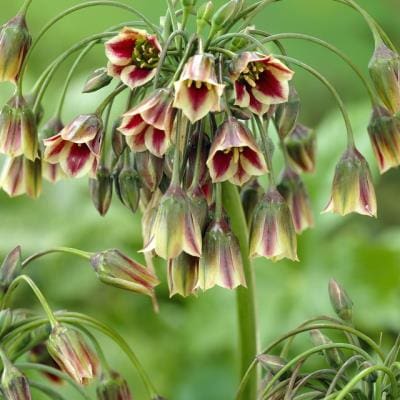
Plant in fall

Plant in fall
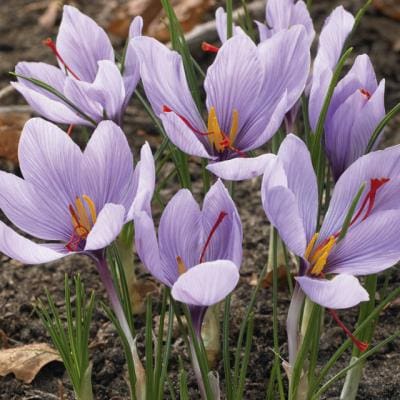
Plant in fall

Plant in fall

Plant in fall

Plant in late summer
Plant in Spring for Summer Flowers

Planted after the last frost for colour through summer. Most are tender, so their guides cover lifting and storing them over winter.

21 guides

Plant in spring

Plant in spring

Plant in spring
Plant in spring

Plant in spring
Plant in spring
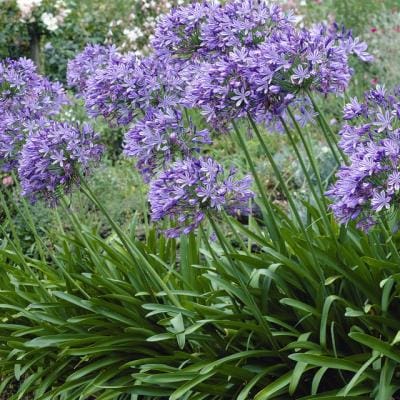
Plant in spring
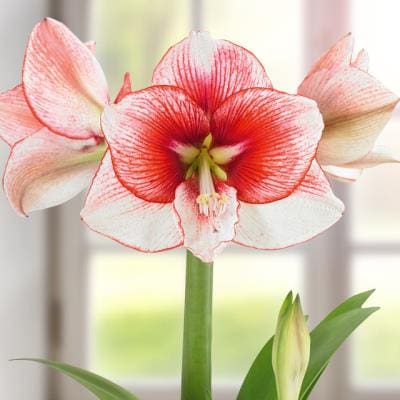
Plant in spring
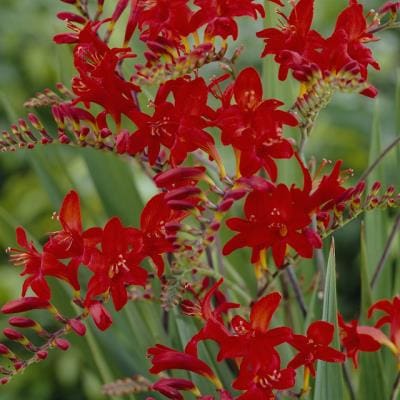
Plant in spring
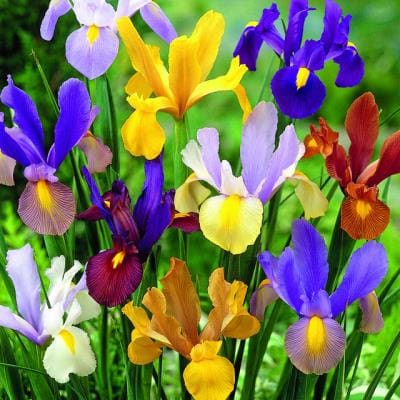
Plant in spring

Plant in spring
Plant in spring
Plant in spring

Plant in spring
Plant in spring
Plant in spring
Plant in spring

Plant in spring

Plant in spring

Plant in spring
Plant in spring
Perennials and Garden Plants

Planted once and left in place. Several pair well with spring bulbs, because their foliage hides the bulb leaves as they die back.

8 guides

Plant in spring

Plant in spring

Plant in spring

Plant in spring

Plant in spring

Plant in spring
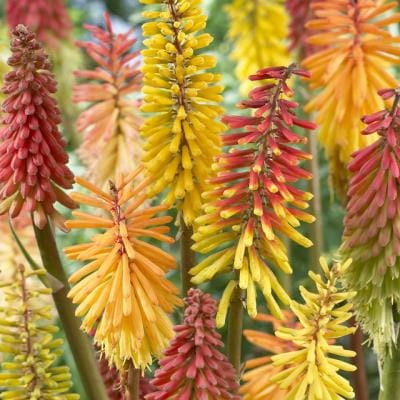
Plant in spring
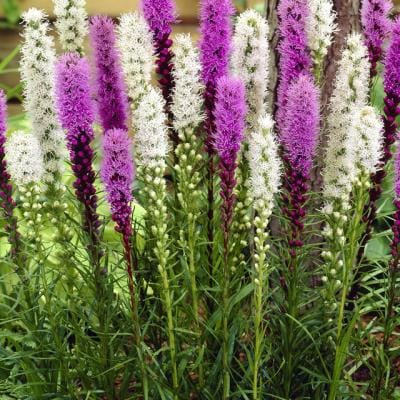
Plant in spring
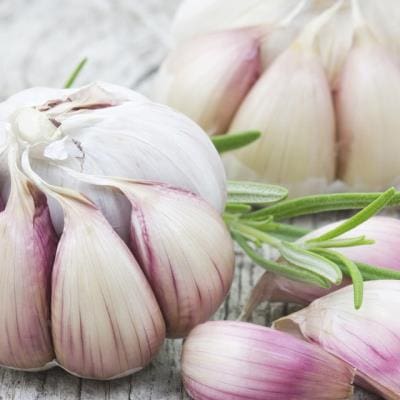
Fruit, Vegetables and Herbs

Edible bulbs and crops, with harvesting and storing covered alongside planting.

8 guides

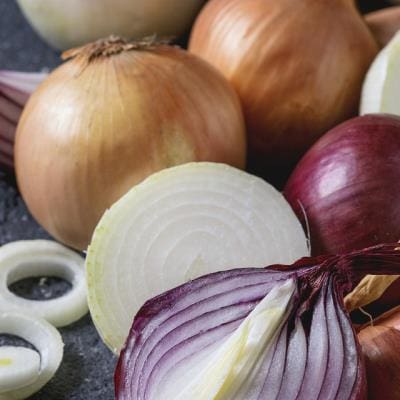
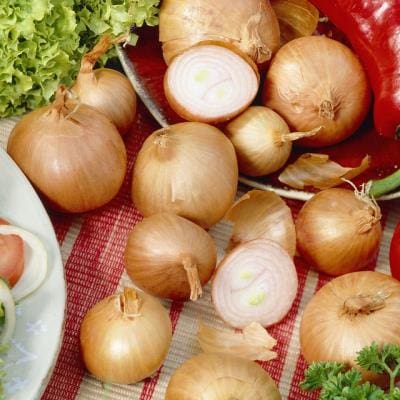
Edible bulb

Edible bulb

Edible bulb

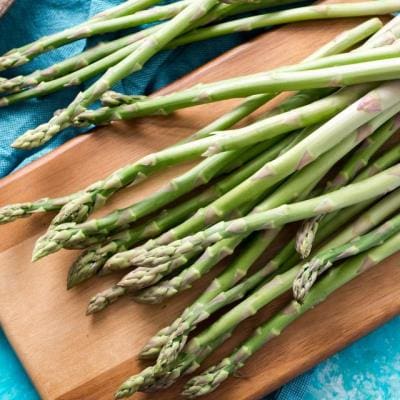
Perennial crop

Plant in spring

Perennial crop

Plant after last frost
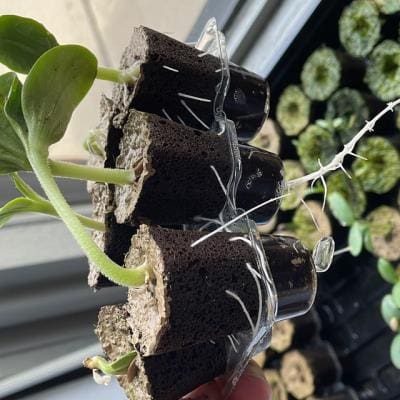
Start indoors

How to read them

What's in Every Guide

All 49 follow the same four steps, so once you have read one you can read any of them.

Planting

When to plant, how deep, how far apart, and which way up.

Growing

Soil, light, spacing in the bed, and what to plant it beside.

Care

Watering, feeding, cutting for the vase, and pests worth watching.

Winterizing

What to do once flowering ends, and whether to lift or leave it.

Depths and spacings are given in centimetres with inches alongside, exactly as they appear on the packaging from our growers in Holland.

Answers

Growing Guide Questions

Store them in a cool, dry, dark location, like a basement, until you are ready to plant.

Alliums, Hyacinthus, Muscari, Narcissus, Nectaroscordum and Leucojum are all noted as deer resistant in their guides. Fritillaria Imperialis is deer and rodent resistant and will also keep rodents away from other bulbs planted around it.

After flowering, the leaves should be allowed to die down. The leaves gather sunlight and provide nourishment for next year’s show.

Most tulips should be treated as annuals. Some Fosteriana, Greigii and species tulips are suitable for naturalizing and will return.

It covers what happens after flowering finishes. For hardy bulbs that usually means letting the foliage die down and leaving them in the ground. For tender bulbs it means lifting them before the first frost, drying them, and storing them somewhere cool and dark until spring.

Each guide gives its own depth and spacing in centimetres with inches alongside. Where a guide is not available, planting roughly three times as deep as the bulb is tall is the general rule these guides follow.

or let us do the planting

See Three Million Tulips in Bloom

Every autumn we put more than three million bulbs into the ground across 55 acres in Niagara-on-the-Lake. Every ticket includes ten tulips to pick and take home.

Grow With Us

Plant a few this season, then come and see what three million look like in spring.